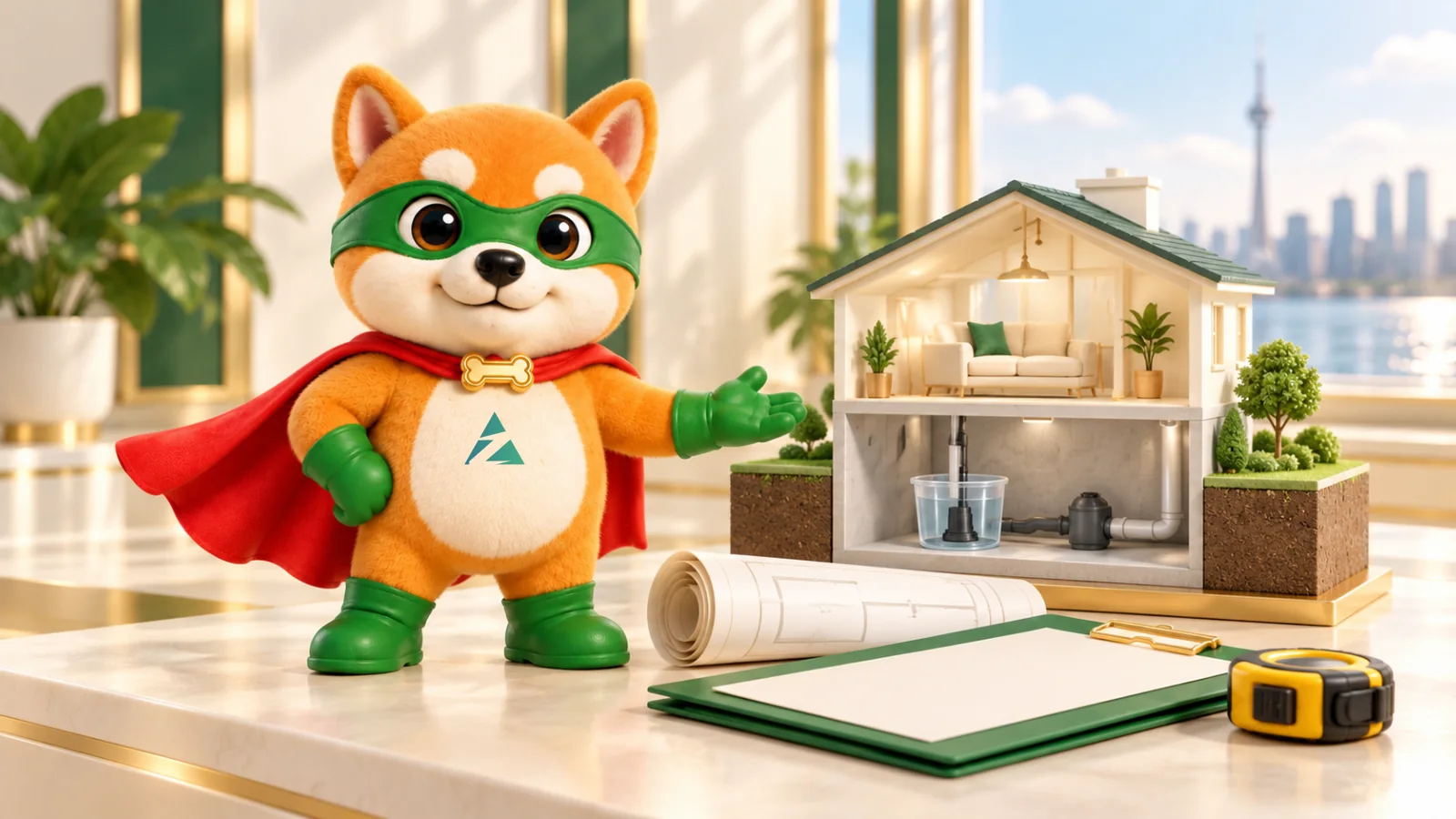
Planning to install a backwater valve, sump pump or other basement flood protection? Toronto expanded its Basement Flooding Protection Subsidy Program on May 1, 2026. Eligible properties can receive up to $6,650. Read the City’s announcement.
This is a City of Toronto program. It does not automatically apply across the GTA. Owners in Markham, Richmond Hill and other municipalities should check their own city’s programs.
Know the dates
The expanded amounts apply to eligible work completed on or after November 12, 2025, with applications generally due within two years of the installation or service. Earlier work remains subject to the old amounts and one-year application window. Check current program conditions.
The maximum is not a guaranteed cheque
Eligible costs receive up to 80% reimbursement, subject to these caps:
- One plumbing assessment: $500
- Backwater valves: $1,600 each, maximum two
- One sump pump: $2,250; battery backup: an additional $300
- Foundation drain connection severance and capping: $400
Each category has a lifetime property limit. Approval and annual funding also apply. Do not build the maximum subsidy into your renovation budget as guaranteed income. Amounts and eligibility.
Check before work starts
Applicants must be registered owners of eligible single-family, duplex, triplex or fourplex homes in Toronto. Contractors and subcontractors need the appropriate City business licence when doing the work. Backwater valves require a building permit and inspection. Retain itemized paid invoices, completion dates and required photographs or assessment forms. Other conditions concern previous subsidies, downspouts and amounts owed to the City. Use the complete application checklist.
Ask a qualified professional which measures suit your property before comparing proposals. A subsidized device is not a solution for every source of water entry. Proper installation, operation and maintenance matter too.
Review the insurance alongside the equipment
A subsidy is not insurance, and installing equipment does not guarantee a premium reduction. Groundwater, overland flooding, sewer backup and indoor plumbing incidents may be treated differently. Check whether sewer backup and overland flood coverage have been added, together with their limits, deductibles and exclusions. IBC’s water damage guidance.
Keep installation and maintenance records. Tell your broker about the improvements and ask whether coverage should change or any discount criteria are met.
A-Z Insurance can help review the water damage protection in your home policy. Call 905-707-2929 or email info@azinsure.ca. The City decides subsidy eligibility and approval; recheck its official page before applying.
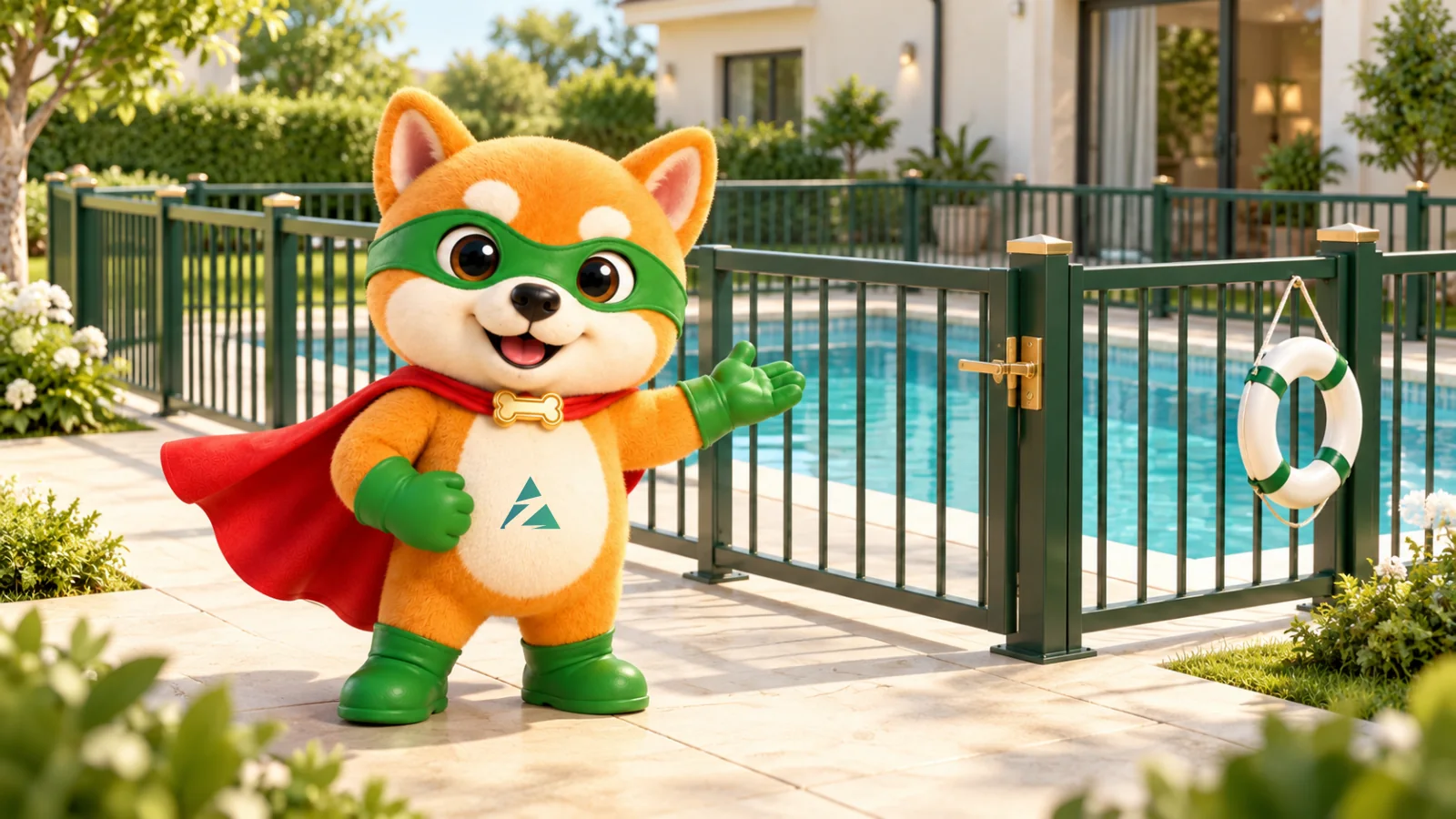
A backyard pool brings recreation home, along with maintenance and safety responsibilities. Before installing a pool or buying a property that already has one, check how the pool is insured, what protection may apply to injuries, and whether its enclosure meets local requirements.
Does a pool always mean higher premiums?
A pool can affect underwriting and the quote, but there is no universal premium increase. Describe the pool type and size, equipment, enclosure, access points, diving board and slide, if any. Insurers may offer different terms, limits and optional coverage.
Compare more than the annual price. Ask whether the pool is insured property, how a loss would be valued, which deductible applies, and whether the liability limit fits your use. Intact also advises homeowners to tell their broker about a new installation and confirm the actual policy coverage. Intact’s pool-insurance guidance
Property coverage needs a closer look
An in-ground pool, removable pool, pump, heater and surrounding structures may fall under different categories or limits. Ask:
- Which components are covered, and is an endorsement needed?
- Which causes of damage are insured, and are there pool-specific exclusions?
- Is settlement based on replacement cost or a depreciated value?
- How would damage to your home or a neighbour’s property following a pool leak be assessed?
Do not assume wear, maintenance, gradual leakage or mechanical breakdown is an insured loss. The failed component and resulting damage can receive different treatment. IBC specifically recommends asking about insurance options for swimming pools and hot tubs. IBC’s water-damage guidance
Liability coverage does not pay every injury bill
Personal liability coverage may respond to covered damages for which you are legally responsible, with defence costs handled under the policy terms. Whether you are liable, and whether the event is insured, depends on the circumstances. An injury happening at your home does not automatically establish coverage. Intact’s explanation of personal liability
Some policies also include voluntary medical payments. This separate, limited coverage may pay eligible expenses without requiring you to be legally liable. It still has eligibility rules, limits and exclusions; it is not unlimited medical insurance. An example: Coverage F in TD’s homeowner policy
Ask your broker to compare $2 million or higher liability limits and whether umbrella coverage would be appropriate. A $2 million limit is an option to discuss, not a universal legal requirement identified here. The additional premium must be quoted rather than assumed to be inexpensive.
Check the rules in the correct municipality
Municipal compliance and insurance acceptance both need attention. When buying a home with an existing pool, check available permits, inspection records and the enclosure’s condition.
Toronto
Toronto’s pool-enclosure guidance lists minimum heights of 1.2 metres for single residential properties and 1.8 metres for multiple residential and non-residential properties. The enclosure must isolate the pool as required, with detailed rules for gates, spacing and climbable features. Height alone does not establish compliance. Confirm permit and inspection requirements before installation or alterations. Toronto’s pool-enclosure requirements
Markham
Markham has its own Swimming Pool Enclosure By-law 2015-96, with requirements for fence and gate heights, materials, clearances and climbability, plus special provisions for situations such as above-ground pools. Gates require self-closing and lockable self-latching devices. Obtain the required enclosure permit before construction rather than applying Toronto’s rules to a Markham property. Markham’s enclosure bylaw, Markham’s permit guide
Make safety part of every swim
Health Canada advises keeping young children and inexperienced swimmers in sight and within arm’s reach. Swimming aids cannot replace close supervision. Check that gates close and latch properly, keep climbable furniture and toys away from the fence, and have rescue equipment available. Health Canada’s swimming-safety guidance
Maintain equipment according to manufacturer and professional instructions. Keep records of seasonal opening and closing, repairs and equipment changes, and investigate signs of leaks promptly. If you intend to rent out the pool, offer paid lessons or use it with a short-term rental, ask about coverage before doing so.
What to take to your broker
Bring photos, pool type and dimensions, installation or purchase information, equipment and safety details, and available permit and maintenance records. Ask the broker to confirm how the pool is recorded, property coverage, liability limits and deductibles. Keep the written response with your policy.
Contact A-Z Insurance to discuss insurance for a home with a pool. Phone: 905-707-2929. Email: info@azinsure.ca.
This is general information. Municipal requirements can change; confirm your design with the local authority. Insurance coverage, price and claims decisions depend on the policy and circumstances.
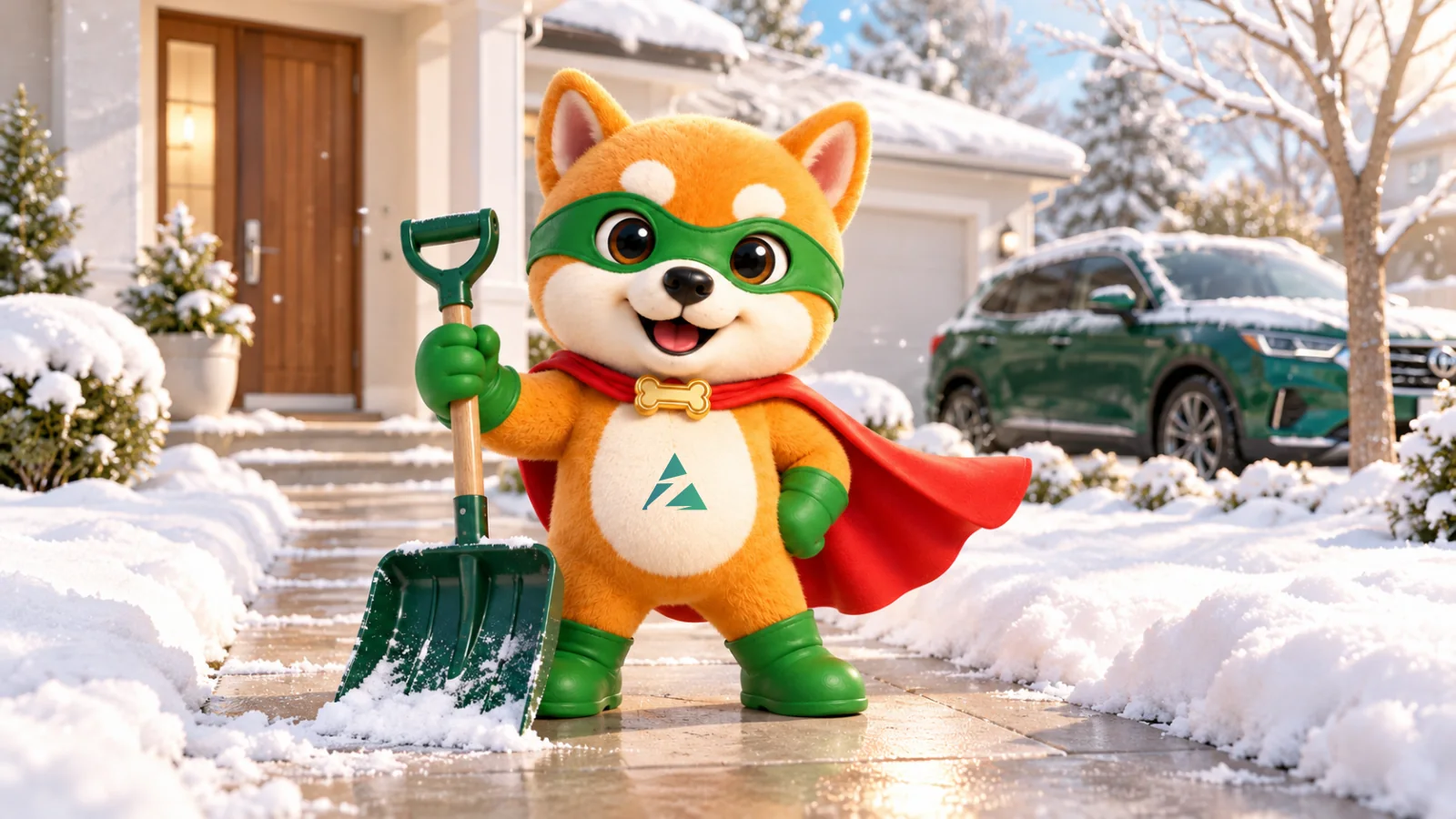
Clearing snow helps keep family, visitors and neighbours safe. Toronto’s public sidewalk service is separate from an owner’s responsibility for private steps, driveways and parking areas. This guide concerns the City of Toronto; other GTA municipalities have their own rules.
Public sidewalks: check accumulation and City service
Toronto’s current service guidance uses 2 cm of snow as the trigger for City public-sidewalk clearing. For lighter snowfall, residents and businesses must clear adjacent sidewalks within the applicable 12-hour period after snowfall ends. City operations may require multiple rounds and take longer in severe weather. Toronto sidewalk guidance.
Seeing a City plow does not mean your private access is included. Contact 311 about ice, obstructions or uncertainty over responsibilities. Municipal Code Chapter 719 sets out the obligation and the exception where the City clears under its policy.
Private areas: safe access within 24 hours
The City says owners must clear private driveways, parking spaces, steps, ramps and landings within 24 hours after snowfall ends. Do not push snow onto public sidewalks, roads or bike lanes. City requirements.
Arrange equipment, suitable ice-control materials and backup help before winter. Plan for absences or illness, watch for refreezing and retain reasonable inspection and clearing records. Records alone do not guarantee freedom from liability.
After major storms, follow signs and declarations
Parking on designated snow routes is prohibited while Toronto’s Major Snowstorm Condition declaration is in effect. Follow temporary orange no-parking signs and City notices too. Do not assume parking automatically resumes 72 hours after a storm. Fines or towing may apply. Major-storm parking guidance.
Clear your vehicle before driving
Remove snow from windows, mirrors, lights, licence plates and the vehicle body so you can see and be seen, and so roof snow or ice does not slide into traffic. Do not rely on driving to blow it away. Slow down and leave more space in difficult winter conditions. Ontario winter driving guidance.
What about insurance?
A slip and fall does not mean an insurer automatically pays every loss. Legal responsibility and coverage depend on the facts, policy and limits. Notify your insurer promptly about an injury or claim and retain relevant photographs and maintenance records. IBC’s liability-risk guidance.
Likewise, every municipal or parking ticket should not be described as a guaranteed auto premium increase. Identify the type of penalty before asking about its effect.
A-Z Insurance can explain home liability and auto coverage. Call 905-707-2929 or email info@azinsure.ca.