
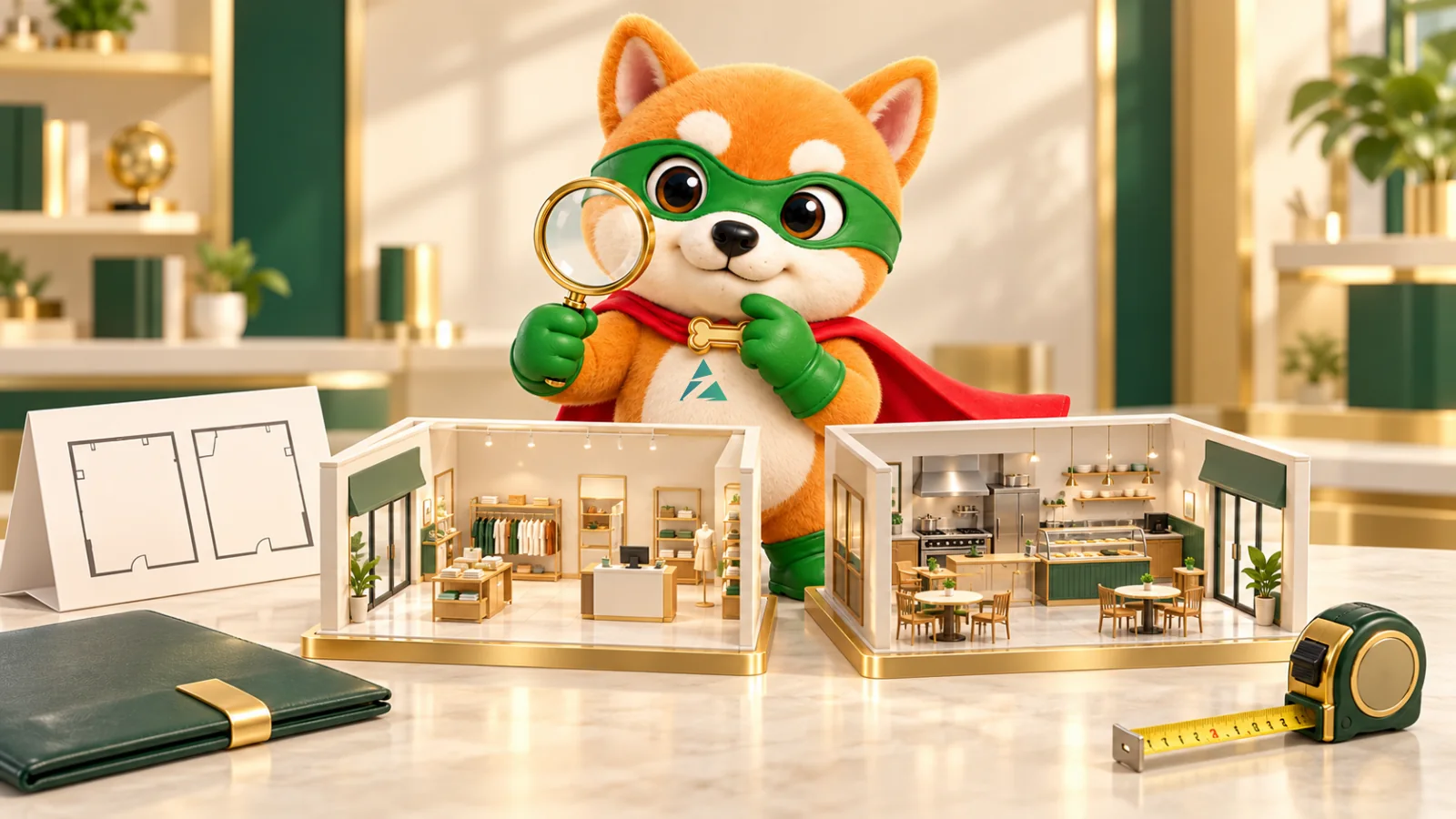
“The shop next door is about the same size. Why is our business insurance quote different?”
Floor space is easy to compare. Business risk takes a closer look. Your activities, equipment and inventory, premises, liability exposures and policy choices can all affect the quote. An insurer's site visit helps establish what actually happens at the location, but it is one part of the underwriting process.
For a business owner, the useful preparation is straightforward: explain the operation clearly, gather the records and understand how the questions relate to your protection.
1. What might a site visit examine?
The focus depends on the business. A restaurant may need to explain its cooking equipment and exhaust-cleaning arrangements. A warehouse needs to describe its stock and storage practices. An office may need to discuss equipment, customer information and continuity planning.
Prepare to talk about:
- The building and its systems, including use, construction and maintenance of roofing, electrical and heating equipment.
- Fire protection and site safety, including maintenance records, clear exits and any hot work or flammable materials.
- Security, including locks, alarms, surveillance and storage of valuable equipment or stock.
- Operations, including products and services, customer visits, subcontractors and work at customers' locations.
- Surroundings and emergency planning, including water or other hazards and how the business would protect people and resume operations.
This is a preparation list, rather than a universal insurer checklist. Assessments can also be remote, document-based or self-assessed. Ask the insurer which approach applies to your business. Aviva risk engineering and assessment services
If recommendations follow, ask which are required, when they must be completed, what evidence is needed and how outstanding work affects underwriting. Treat fire, building and other regulatory approvals as separate matters to confirm with the appropriate authorities.
2. Why do comparable premises receive different quotes?
First check whether the quotes cover comparable risks. Insurers consider business activities and products, replacement values, location, claims history, risk management and market conditions such as repair and liability costs. Floor area is only one consideration. IBC's explanation of business insurance pricing
Two equally sized units can contain very different values of stock and equipment. Even similar businesses may choose different liability limits, deductibles, coverage extensions and exclusions.
Alongside “Can we reduce the price?”, ask: “What changes in this cheaper option, and how much would we have to absorb ourselves after a loss?”
3. Three common coverages, with different jobs
Commercial general liability (CGL) addresses covered third-party bodily injury or property damage claims connected with insured operations, premises, products or completed work, with defence handled under the policy. A customer's injury at your shop may need to be reported, but liability and coverage still depend on the facts and wording.
Professional liability, or errors and omissions (E&O), addresses covered negligence, errors or omissions in insured professional services. Businesses providing advice or specialized services should review this separately rather than assume CGL handles it. Licensing rules and client contracts can impose profession-specific requirements; providing a service does not, by itself, establish one universal legal requirement to buy E&O. Intact's liability coverage overview; RIBO's brokerage licensing and mandatory insurance requirements
Commercial property insurance concerns insured buildings, equipment, stock, furniture and leasehold improvements. An asset list alone does not establish coverage for every cause of damage. Review insured perils, exclusions, limits, deductibles and the settlement basis. Ask specifically about leaks, sewer backup and overland flooding rather than relying on the broad phrase “water damage.” IBC's business coverage guide
Business interruption, cyber and other coverages need their own discussion. Choose protection around the operation's exposures rather than the length of a product list.
4. Prepare a useful information package
Gather your legal business name, address, operations description, principal products or services, equipment and stock list, current insurance, claims information, and insurance requirements in leases or customer contracts.
Include recent and planned changes: a new service, larger premises, new equipment, deliveries or different sales territories. Flag anything that needs checking instead of guessing to speed up a quote.
Ask your broker which activities the quote includes, which limitations need attention, when coverage begins and which changes require advance notification. Review the insurance as the business evolves. Aviva's guidance on reviewing a growing business's coverage
Make the quote fit the business
There is no reliable square-footage shortcut to the right business insurance. A clear picture of the operation makes it easier to compare both coverage and price.
Opening, moving or reviewing an existing policy? Contact A-Z Insurance at 905-707-2929 or info@azinsure.ca. We can help organize the business information, discuss coverage options and check insurance requirements.
This article provides general information, not legal advice or a commitment to insure a particular business. Coverage, premiums and risk-improvement requirements depend on the insurer's assessment and the policy terms.